
 Vercatus
Research and insights
Guides and research on AI visibility.
Practical guides to diagnosing visibility gaps and measuring citations, alongside dated observations from our own measurements. Methods, evidence and limits are stated in each piece.
Guides and
measurements.
Each piece states its method, its sources and its limits, and says where a fact comes from.
The Best Tool to Check If ChatGPT Cites Your Website
What a ChatGPT citation check must record, software that shows which of your pages ChatGPT cites, and the cheapest reliable way to check it yourself.
Read
Monitoring AI Bot Traffic in Server Logs: Capture, Verify, Count
Find GPTBot, ClaudeBot and other AI crawler hits in your access logs or Cloudflare, verify they are real, and count them by crawler, status and page type.
Read
Ahrefs Brand Radar vs Dedicated AI Visibility Platforms
Whether Ahrefs Brand Radar is enough to track AI mentions, or a dedicated AI visibility platform is worth adding: what each says it does, which questions to check for overlap and gaps, and how to decide.
Read
AI Answers Show Wrong Information About Our Brand: How to Fix It
Why AI assistants state wrong or outdated facts about a brand, how to see what each engine says, and how to correct pricing, discontinued products and funding figures at the source.
Read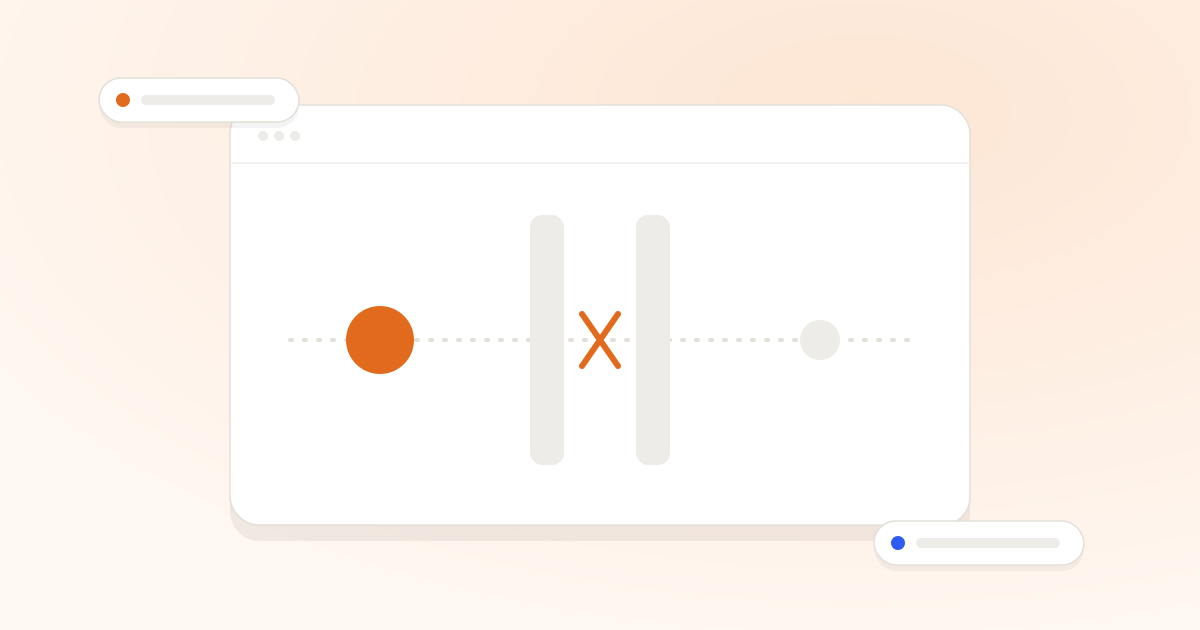
AI Crawler 403 Errors on Cloudflare: Diagnose the Rule Before Changing It
Find whether a crawler refusal comes from robots policy, an edge rule, a challenge, rate limiting or the origin. Verify identity before changing access.
Read
AI Overviews and Organic CTR: How to Measure the Impact on Your Site
Use Search Console’s available reports, stable query cohorts and business outcomes to investigate traffic changes without treating AI impressions as a CTR denominator.
Read
robots.txt Rules for AI Crawlers: Search vs Training Bots
Separate search discovery, model training and user-requested fetches. Choose crawler-specific rules and verify what your website actually serves.
Read
Proving the ROI of AI Search Visibility: Costs, Leads and Attribution
Model the costs and qualified outcomes of AI visibility work. Separate observed citations, referral traffic and incremental business value, with explicit assumptions.
Read
AI Visibility Audits for Agencies: A Monthly Client Workflow
Run a client audit from authorization and baseline to evidence-backed tasks and a monthly review. Keep access, citations and business results separate.
Read
AI Visibility Tools for B2B SaaS Companies, Compared: Scope, Pricing and Evidence
Compare Vercatus, Profound, Peec AI, OtterlyAI and Semrush by measurement scope, prompt limits, evidence and workflow. Includes a practical evaluation checklist.
Read
Brand Entity Consistency: Align Your Website, Authors and Public Profiles
Align organization, product and author facts. Use verified identifiers and sameAs relationships, distinguish parent companies, and correct conflicting claims.
Read
Content Cannibalisation in AI Search: Find Overlap and Choose One Page
Map questions to primary URLs, distinguish useful supporting pages from duplicates, and choose consolidation, differentiation or canonical repairs using evidence.
Read
How to Make Website Content Useful as a Source for AI Answers
Turn customer questions into complete, evidence-backed pages. Use clear answers, useful detail, consistent product facts and a repeatable review process.
Read
GEO, AEO and LLMO: An AI Search Glossary with Measurement Definitions
Understand AI search terminology and distinguish access, coverage, retrieval, mentions, citations and business outcomes. Includes Vercatus's own terms: Answer Share and verdicts.
Read
Google AI Mode Query Fan-Out: What It Means for Content Planning
Map a complex buyer task to useful supporting answers without inventing hidden engine queries or publishing a page for every wording variation.
Read
Internal Linking for Content Clusters: Connect Answers to the Right Page
Give each question a primary page and connect guides, evidence and product documentation with descriptive HTML links. Find orphan pages and maintain links after changes.
Read
Multilingual AI Search Visibility: Diagnose Language and Locale Mismatches
Why an AI assistant answers a question in one language with another market's facts, and how to align localized content, canonical URLs and hreflang, then test each language and market separately.
Read
Does Updating a Page’s Date Improve AI Citations?
Distinguish cosmetic date changes from useful content updates. Keep visible dates, article schema and sitemap dates honest, then measure comparable observations.
Read
Product Pages for AI Shopping: Facts, Variants, Prices and Feeds
Publish product facts that answer buying questions and keep variant pages, offers and channel feeds consistent. Covers Google shopping and Amazon separately.
Read
How to Publish Original Research That Others Can Check and Cite
Design a useful study, publish the sampling and method, release inspectable data, and make claims easy to verify without promising links or AI citations.
Read
Should Publishers Allow AI Search Crawlers? A Practical Decision Framework
Choose publisher access policies by crawler purpose, content rights and measurable outcomes. Verify implementation without treating visits as citations or revenue.
Read
How to Structure a SaaS Pricing Page for Search and AI Answers
Make plan names, billing conditions, allowances and exceptions readable together. Test the buying questions your SaaS pricing page should answer.
Read
How to Track AI Citations, Brand Mentions and Share of Answer
Build a repeatable AI visibility panel. Separate citations from mentions, use explicit denominators and compare the same questions across answer engines.
Read
Why Your Website Is Not Showing Up in ChatGPT Search
Diagnose missing ChatGPT citations: check search access, discovery, readable content and question coverage, then measure the same questions again.
Read
Do AI Crawlers Run JavaScript? How to Test Your Website's Content
Compare initial HTML with the rendered page, separate rendering gaps from crawler blocks, and make your essential answers readable before JavaScript runs.
Read
Lab vs Field Core Web Vitals: Diagnose a Fast Test and Slow Users
Understand why lab and field performance disagree, separate TTFB from Core Web Vitals, and investigate a slow-user experience without assuming its cause.
Read
See what AI says about your own site.
Create your account, add your site, and see what Vercatus already reads on your domain before you choose a plan.
Cancel any time · Data stored in the EU